 Xmind Favorites
Agile Retrospectives
Free


17 templates · Reflective sprint retrospective templates to review wins, blockers, and next steps.
Xmind Favorites Xmind Favorites
 Xmind Favorites
 Xmind Favorites
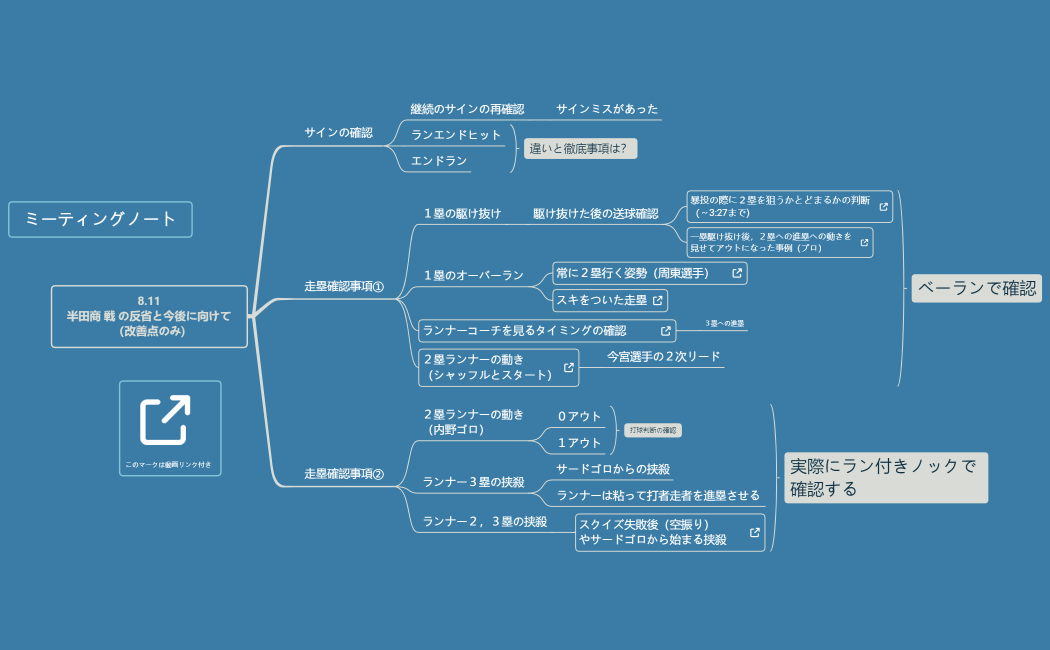
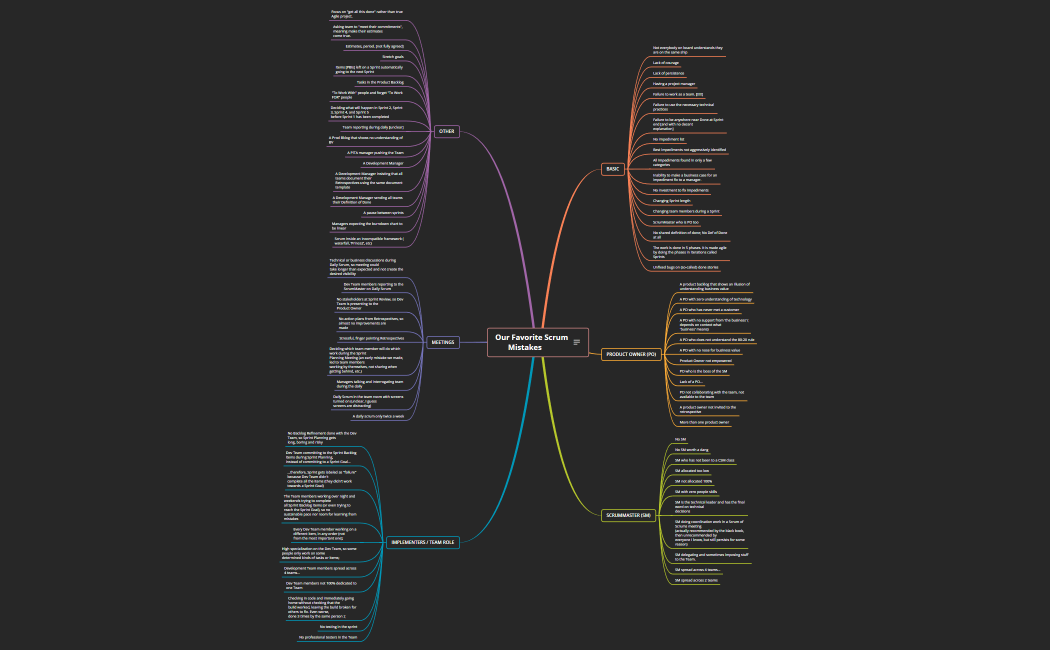
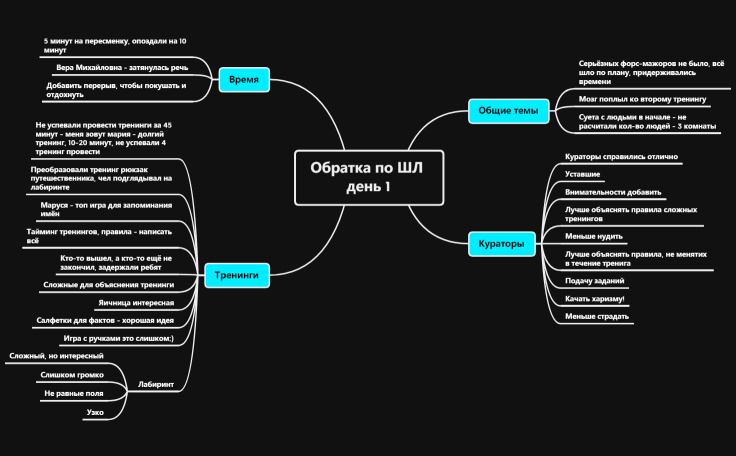
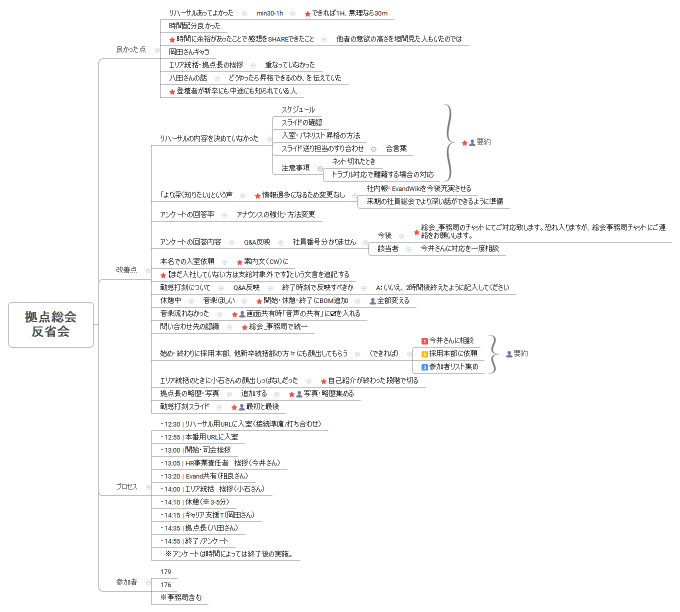
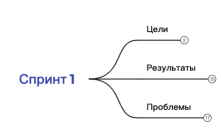
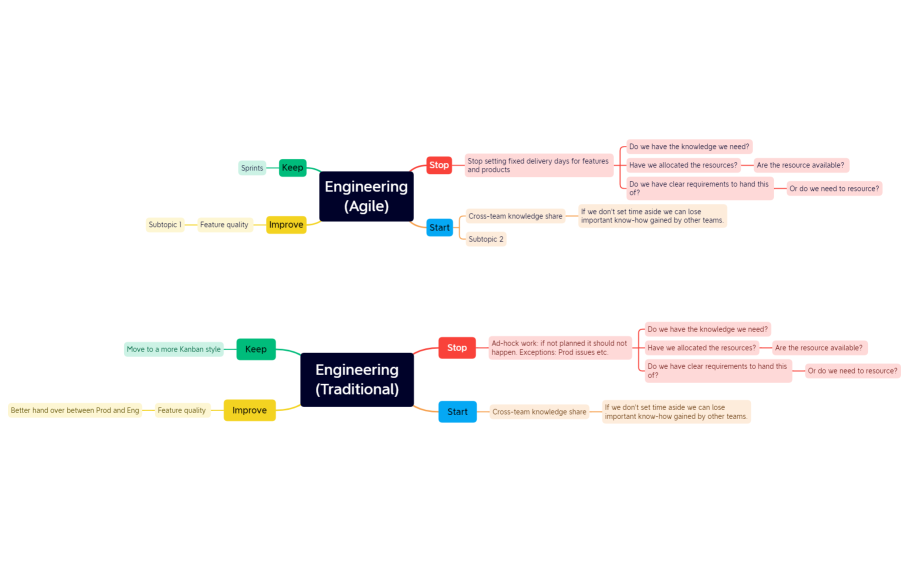
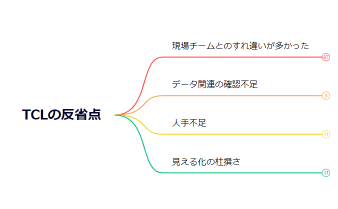
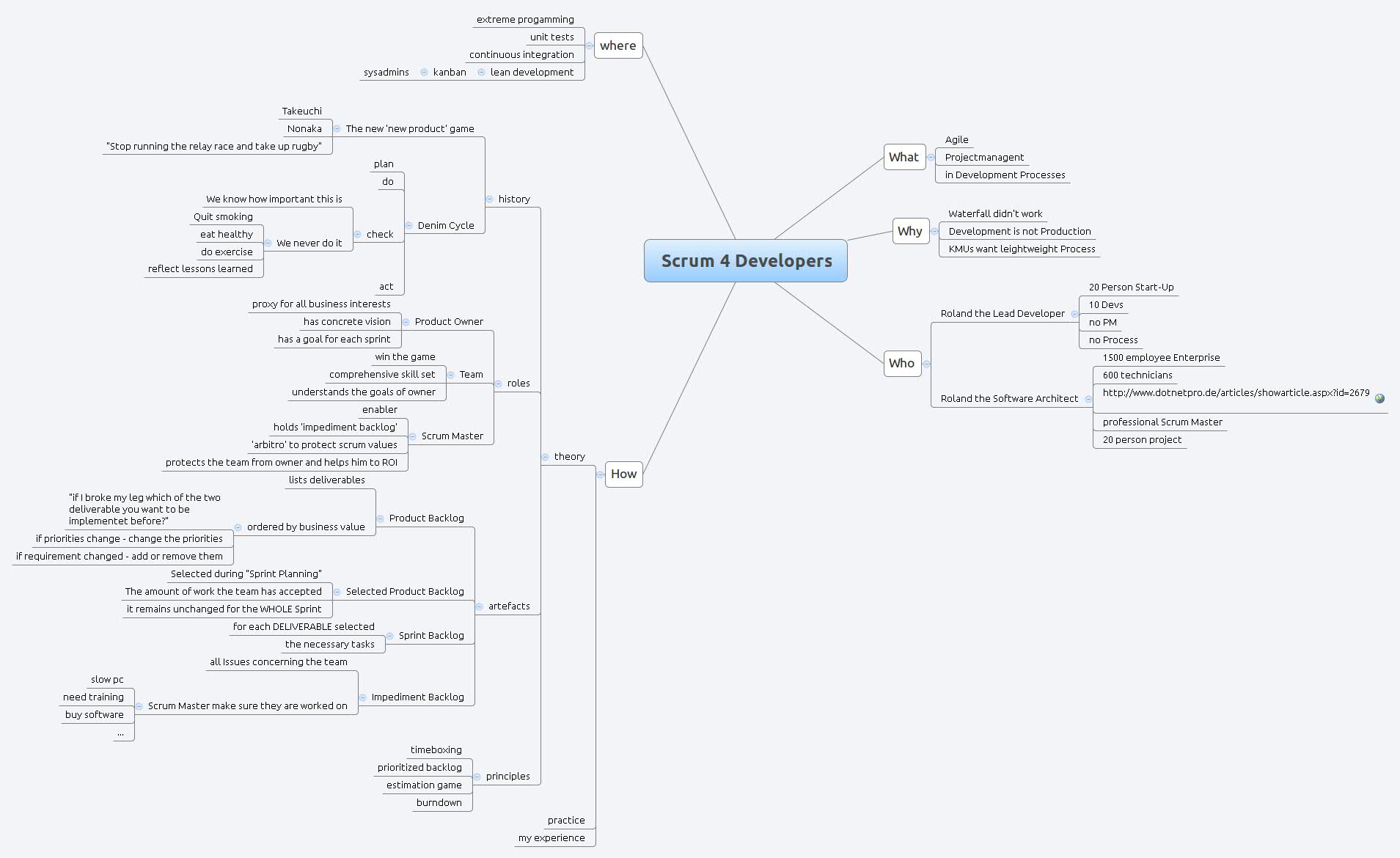
Review wins, surface blockers, and turn lessons into action with Xmind.
A sprint retrospective template provides a structured framework for Agile teams to reflect on their recent work cycle and identify areas for growth. Designed for PMs, marketers, founders, team leads, and analysts, these templates facilitate meaningful discussions by organizing feedback into actionable categories. This page offers specialized layouts including the Start-Stop-Continue, Mad-Sad-Glad, and 4Ls frameworks to help teams evaluate past iterations and pinpoint specific bottlenecks. By using these visual structures, teams can document clear improvements and ensure that lessons learned are integrated into the next sprint. Whether you are conducting a technical review or a marketing campaign post-mortem, these templates provide the clarity needed to move from raw feedback to concrete action items. The collection includes both free and premium options tailored for professional environments where documenting iterative progress is essential for long-term project success.
The non-linear layout allows team leads to map out complex feedback loops and dependencies during the Sprint Retrospective session.
PMs can utilize the AI Copilot to summarize lengthy team discussions into concise action items for the next development cycle.
The visual structure helps analysts categorize qualitative feedback into Start-Stop-Continue quadrants for clearer data visualization and reporting.
Xmind supports high-resolution exports in multiple formats to ensure that retrospective findings can be shared across various internal documentation platforms.
Founders can use the infinite canvas to track historical sprint data side-by-side to identify recurring patterns in team performance over time.
Select a framework Choose a sprint retrospective template that aligns with your team's current needs, such as the 4Ls or Mad-Sad-Glad layout.
Gather team feedback Populate the branches with specific observations regarding what went well and what hindered progress during the previous iteration.
Identify core bottlenecks Use the relationship lines to connect recurring issues and highlight the root causes of delays or communication breakdowns.
Define actionable improvements Convert the team's suggestions into a prioritized list of tasks that will be implemented in the upcoming sprint cycle.
Export and share Save the completed map as a PDF or image to distribute the retrospective outcomes to all stakeholders and team members.
Many community Sprint Retrospective templates are free and available for immediate use. Premium templates require a one-time purchase per file rather than a recurring subscription. Once purchased, you own the file permanently and can edit it offline within the Xmind app.
Turn your best mind maps into templates the whole community can use.