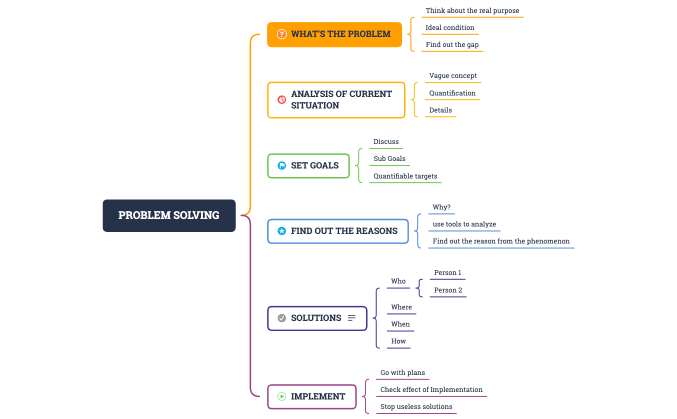
 Xmind Favorites
Problem Solving
Free


496 templates · Systematic root cause analysis templates to trace problems to their source.
Xmind Favorites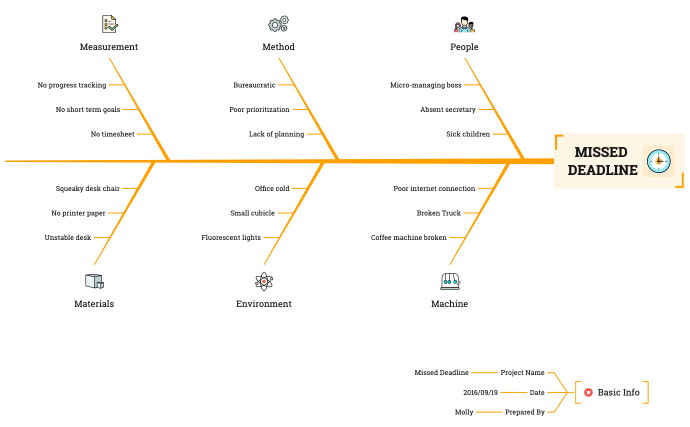 Xmind Favorites
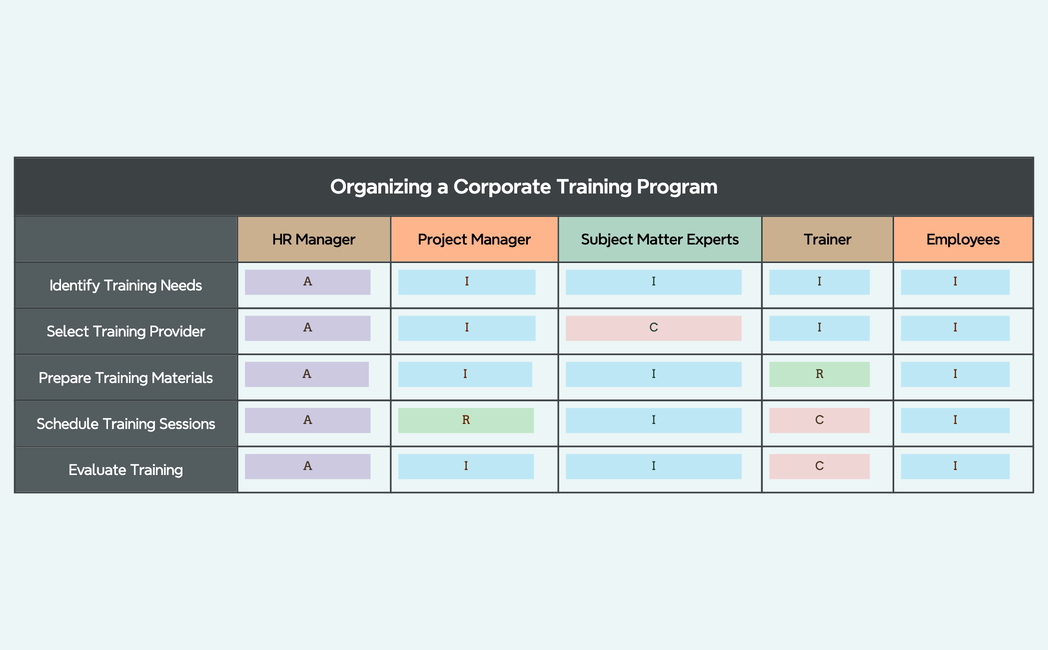 Xmind Favorites
 Xmind Favorites
 Xmind Favorites
 Xmind Favorites
 Xmind Favorites
 Xmind Favorites
 Xmind Favorites
 Xmind Favorites
 Xmind Favorites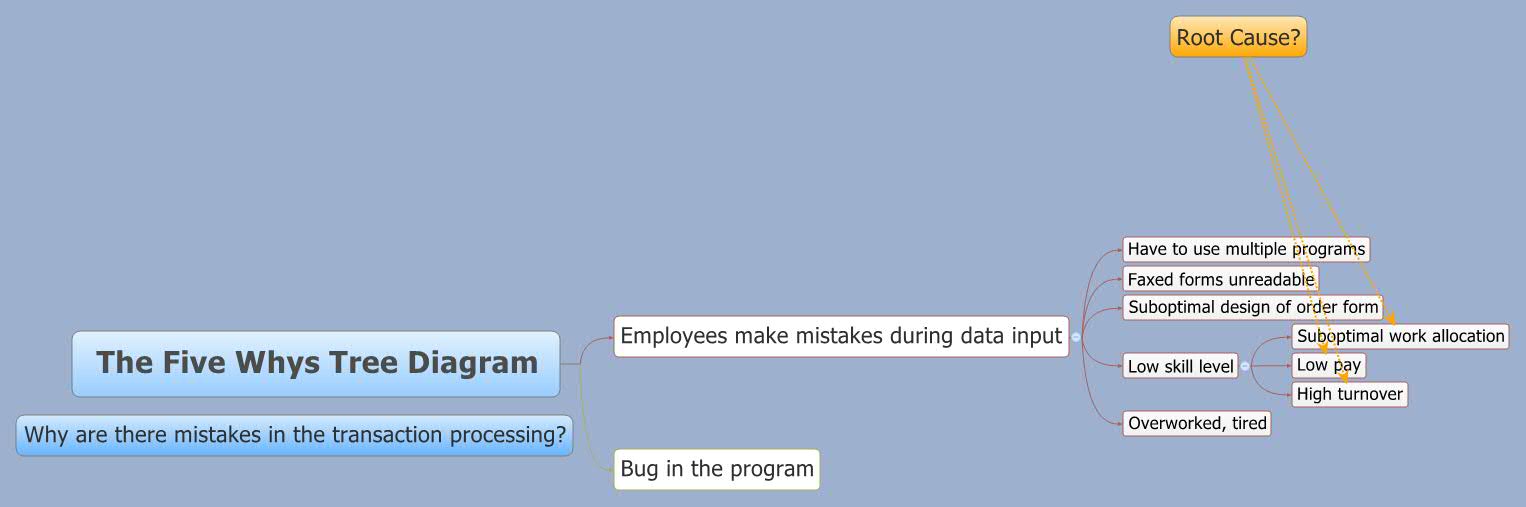
Trace problems to their root cause and prevent them from recurring with Xmind.
Root cause analysis template options within Xmind provide PMs, marketers, founders, team leads, and analysts with the structural clarity needed to solve complex organizational hurdles. These templates cover essential frameworks such as Ishikawa fishbone diagrams and the 5 Whys methodology to systematically identify underlying issues in manufacturing, software debugging, and general business operations. By mapping out causal relationships visually, teams can isolate technical failures and human errors that often remain hidden in standard documentation. The library includes specialized layouts for incident retrospectives and operational audits, ensuring that every stakeholder can trace a problem back to its origin. Whether you are troubleshooting a software bug or analyzing a drop in marketing conversion rates, these templates facilitate a deep dive into the variables that impact your bottom line. Utilizing these visual frameworks helps transform reactive troubleshooting into a proactive strategy for long-term process improvement across diverse industries.
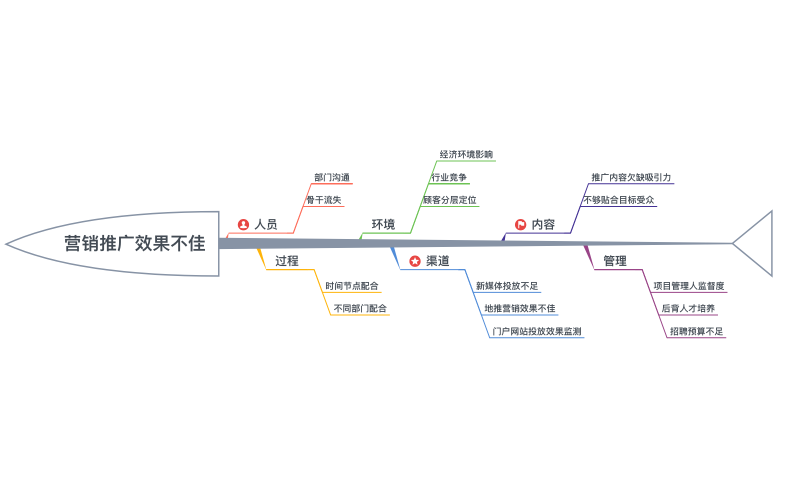
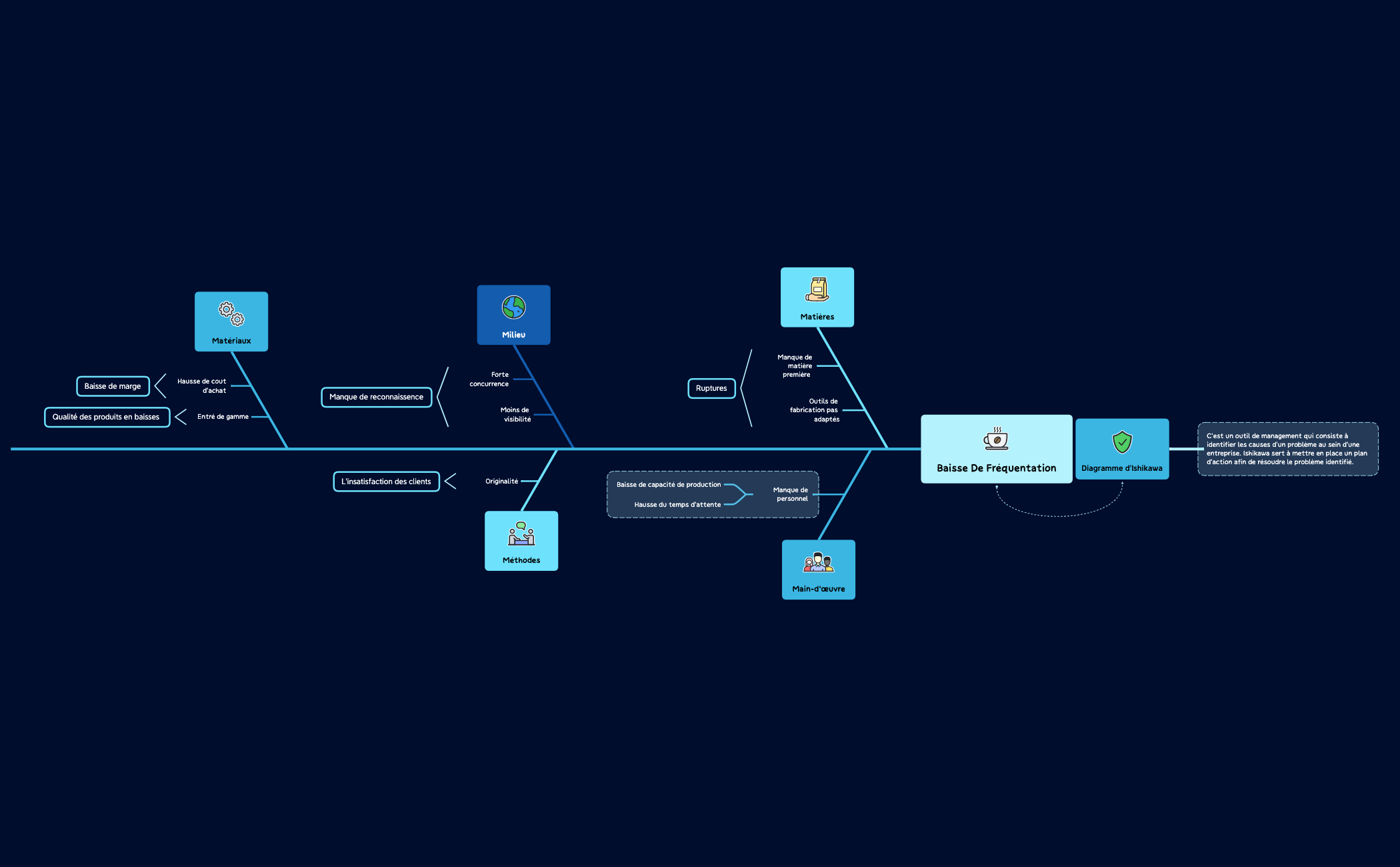
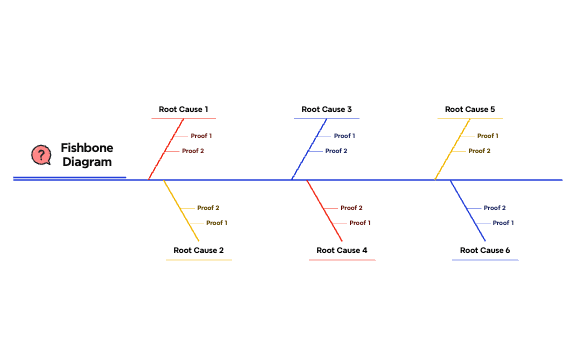
Analysts can map complex causal chains using fishbone structures to visualize how disparate technical failures contribute to a single operational bottleneck.
Team leads use the 5 Whys framework to drill down into human errors and process gaps without losing the broader context of the project.
The visual-first structure allows users to organize non-linear thoughts into a logical hierarchy that makes complex information easy to digest.
Xmind AI Copilot assists in brainstorming potential contributing factors and expanding on root causes when teams reach a mental block during sessions.
High-resolution export options ensure that finalized analysis diagrams can be integrated into professional reports or shared across internal communication channels.
Select a diagnostic framework Choose a fishbone diagram or a 5 Whys layout from the library to establish the logical foundation for your investigation.
Define the problem statement Place the primary issue or failure at the head of the diagram to ensure all subsequent analysis remains focused on that specific outcome.
Map contributing factors Branch out into categories like equipment, process, or environment to categorize the various elements that might have influenced the identified failure.
Apply the 5 Whys Create sub-branches for each factor to repeatedly ask why a condition existed until you reach the actionable root cause of the error.
Finalize and export Review the completed visual map for logical consistency before exporting the file as a PDF or image for stakeholder review.
Many community Root Cause Analysis templates are free for anyone to open and use immediately. Premium templates require a one-time purchase rather than a recurring subscription. Once purchased, you own the file permanently and can edit it offline within the Xmind app.
Turn your best mind maps into templates the whole community can use.