 Xmind Favorites
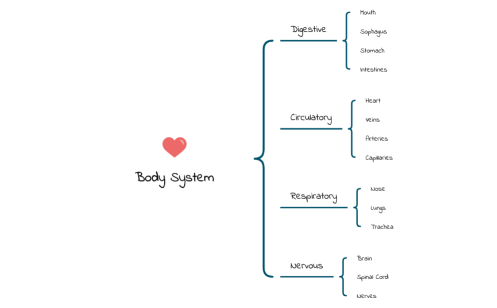
Body Systems
Free

'%3e%3cpath%20d='M10%204C10%208.92857%2023%2011.5714%2023%2016.5C23%2021.4286%2010%2024.0714%2010%2029'%20stroke='%23F07F5D'%20stroke-width='1.92'%20stroke-linecap='round'/%3e%3cpath%20d='M22%204C22%208.92857%209%2011.5714%209%2016.5C9%2021.4286%2022%2024.0714%2022%2029'%20stroke='%23F07F5D'%20stroke-width='1.92'%20stroke-linecap='round'/%3e%3cpath%20d='M11.5%206C15.8739%206%2016.1261%206%2020.5%206'%20stroke='%23F07F5D'%20stroke-width='1.92'%20stroke-linecap='round'/%3e%3cpath%20d='M9.5%2016H22.5'%20stroke='%23F07F5D'%20stroke-width='1.92'%20stroke-linecap='round'/%3e%3cpath%20d='M11.5%2026.5L20.5%2026.5'%20stroke='%23F07F5D'%20stroke-width='1.92'%20stroke-linecap='round'/%3e%3c/g%3e%3cdefs%3e%3cclipPath%20id='clip0_11502_53315'%3e%3crect%20width='32'%20height='32'%20fill='white'/%3e%3c/clipPath%3e%3c/defs%3e%3c/svg%3e)
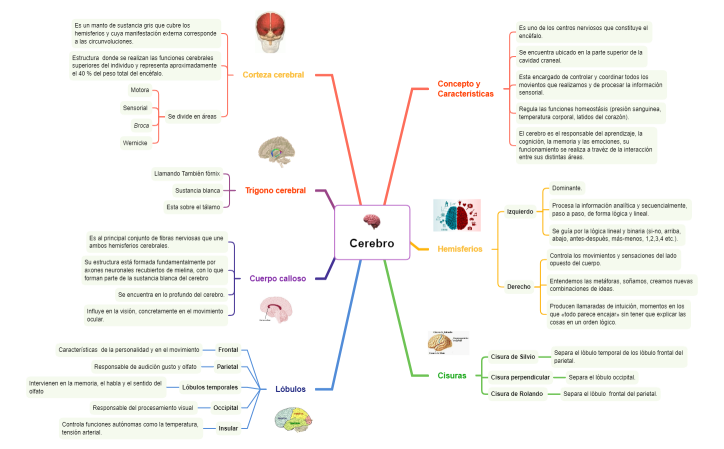
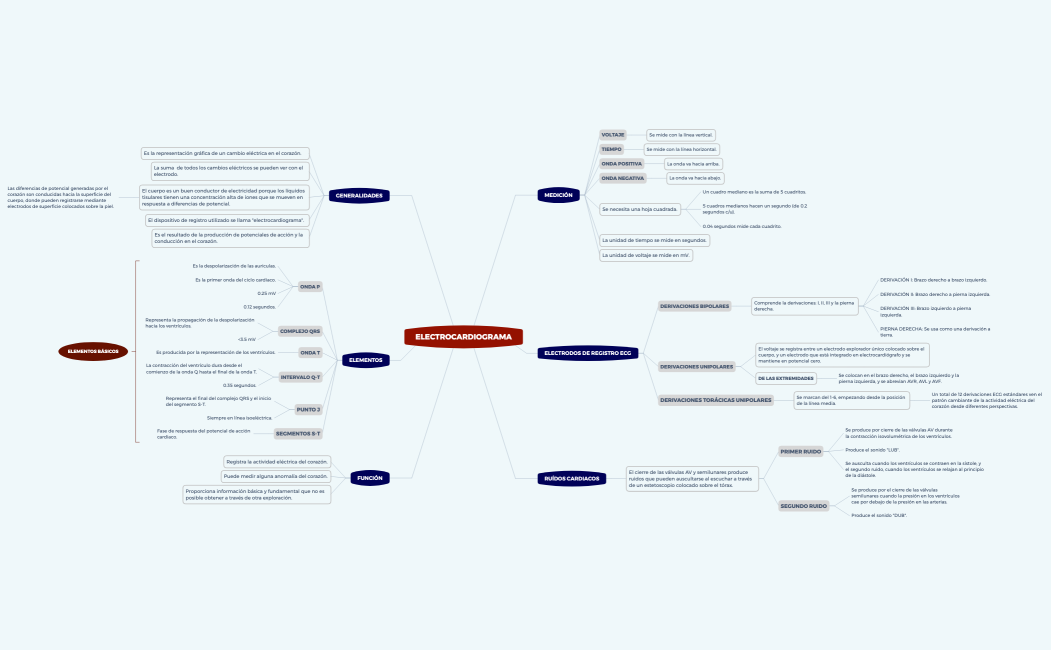
645 templates · Visual anatomy diagram templates to map systems, structures, and functions.
Xmind Favorites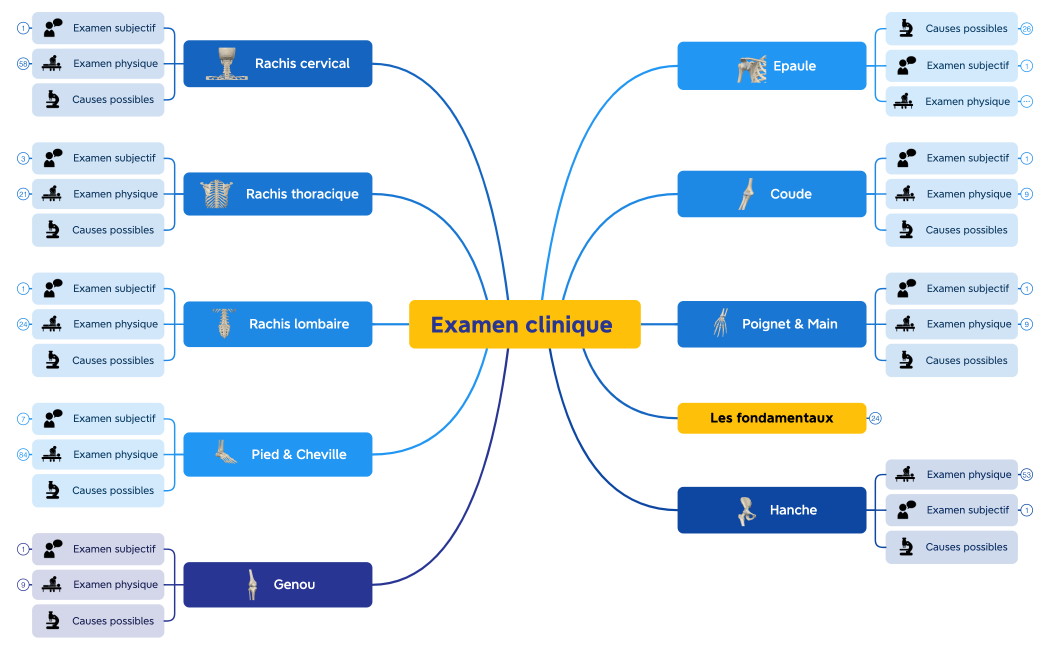 Xmind Favorites
 Xmind Favorites
 Xmind Favorites
 Xmind Favorites
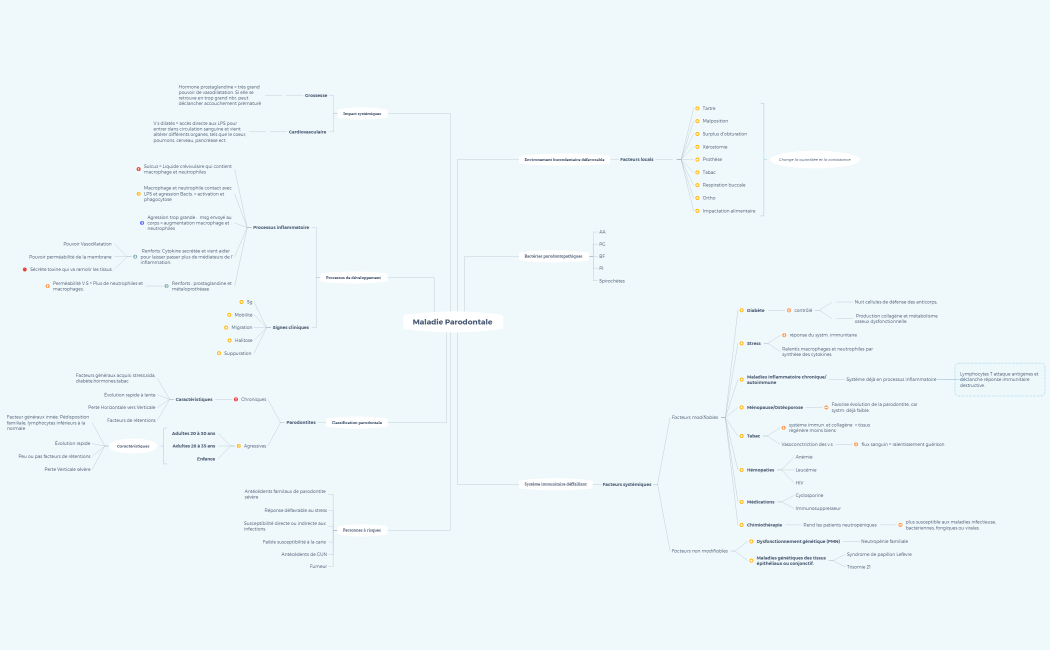 Xmind Favorites
 Xmind Favorites
 Xmind Favorites
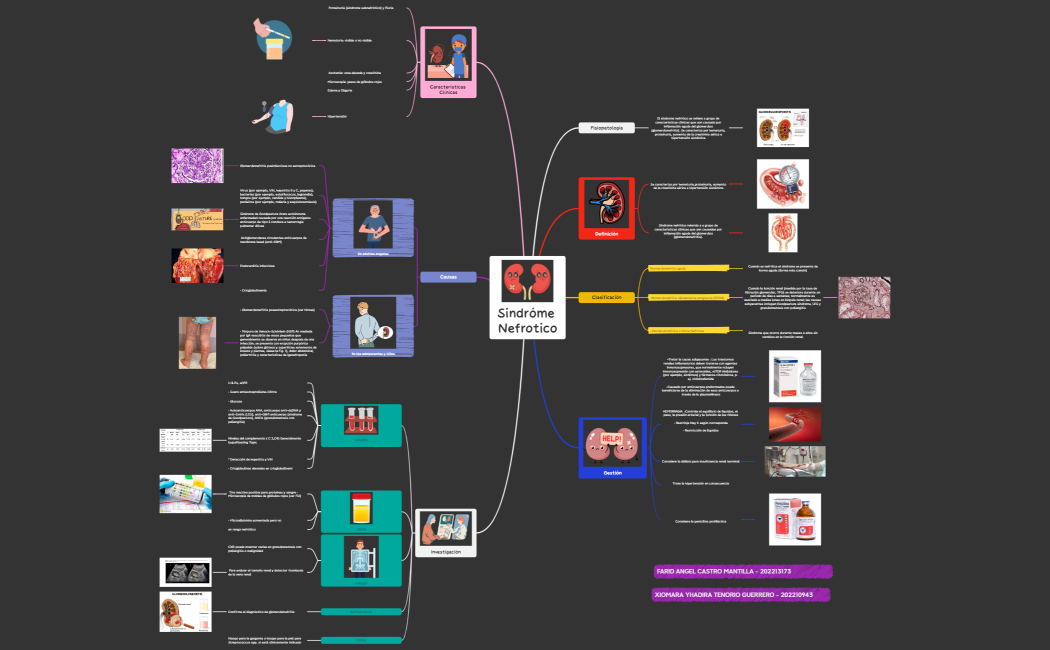 Xmind Favorites
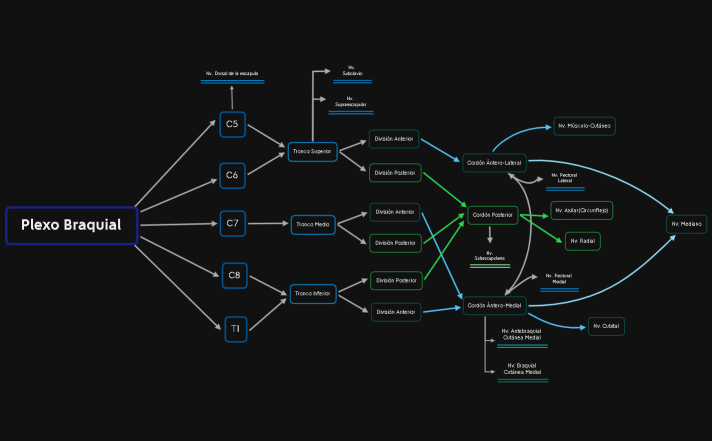 Xmind Favorites
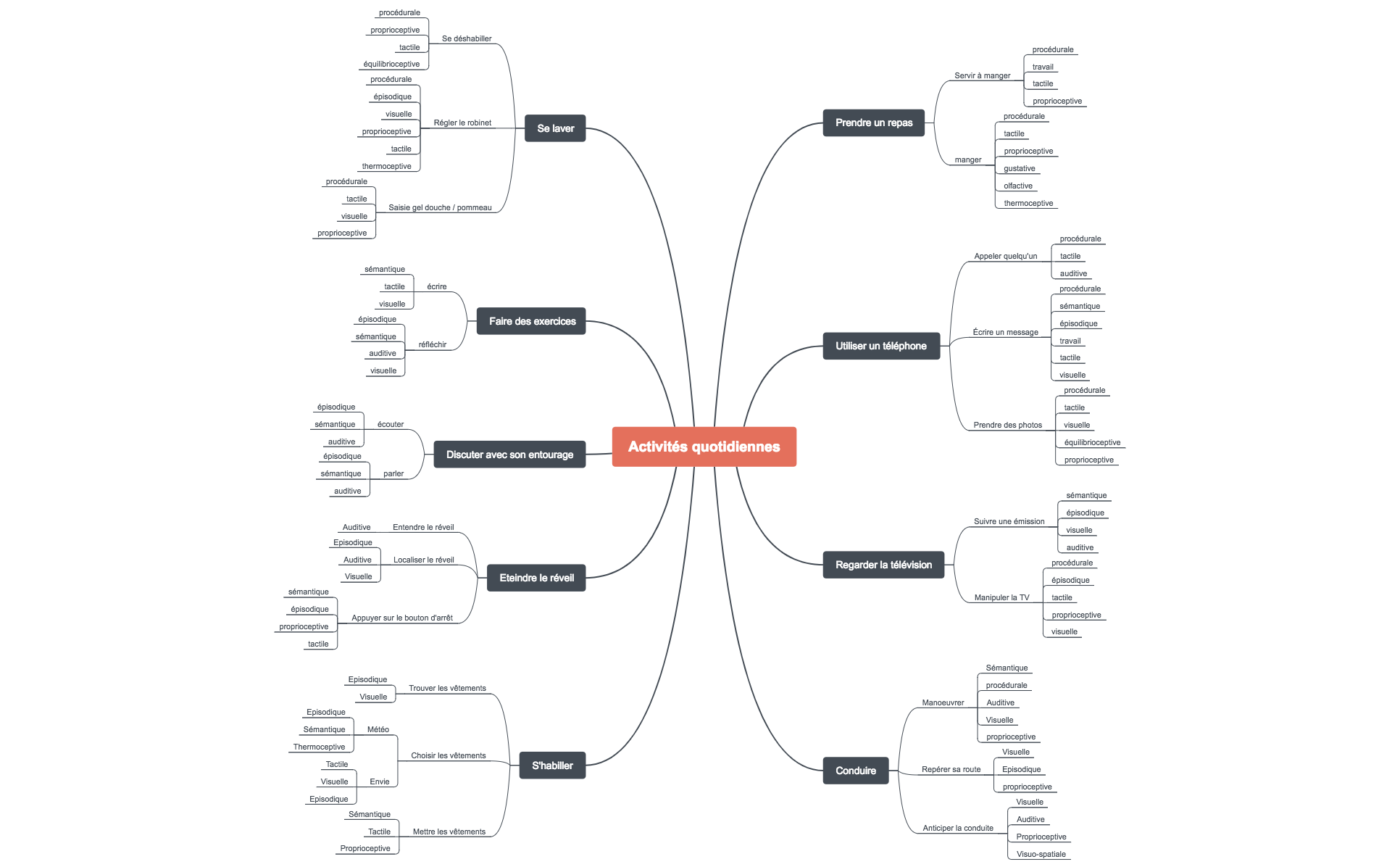 Xmind Favorites
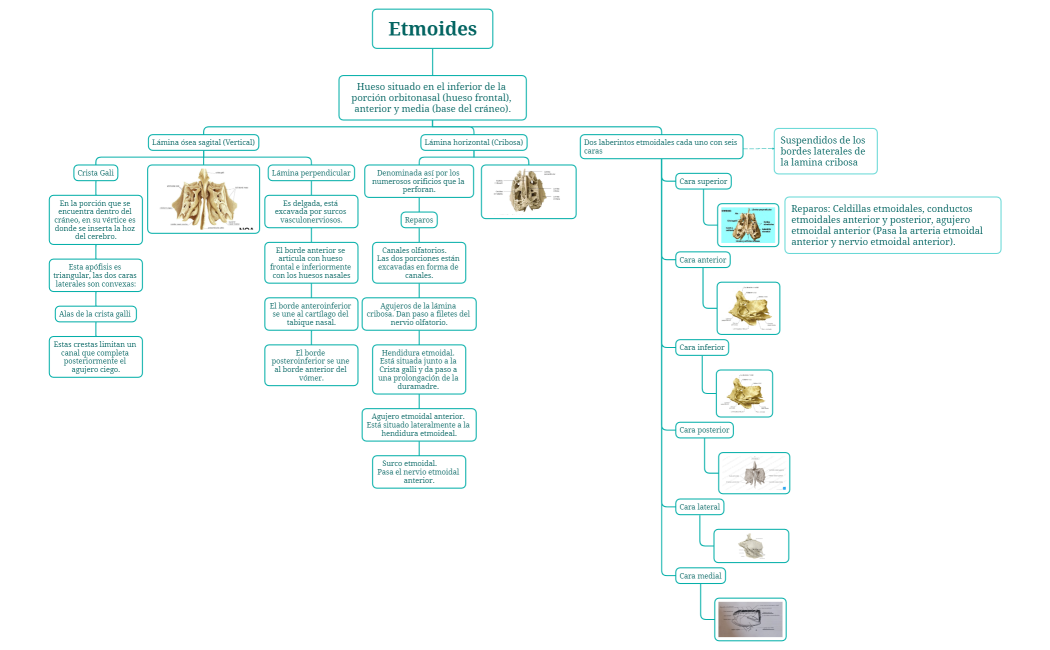 Xmind Favorites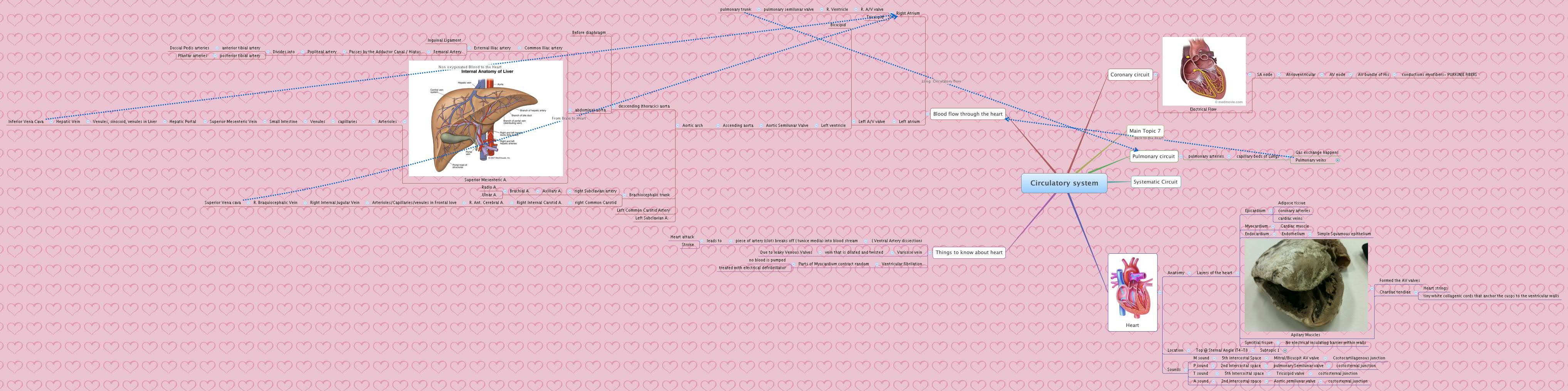
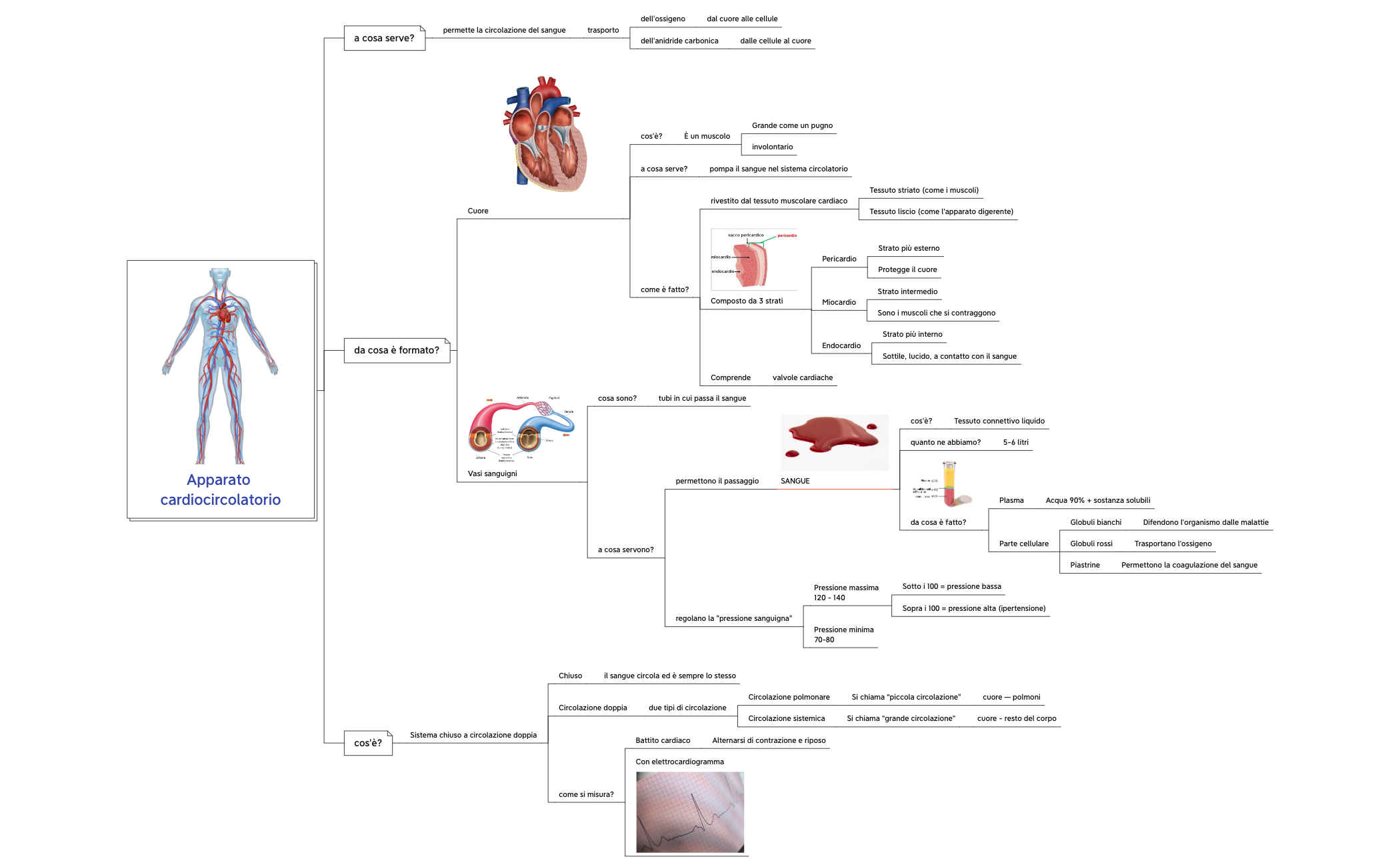
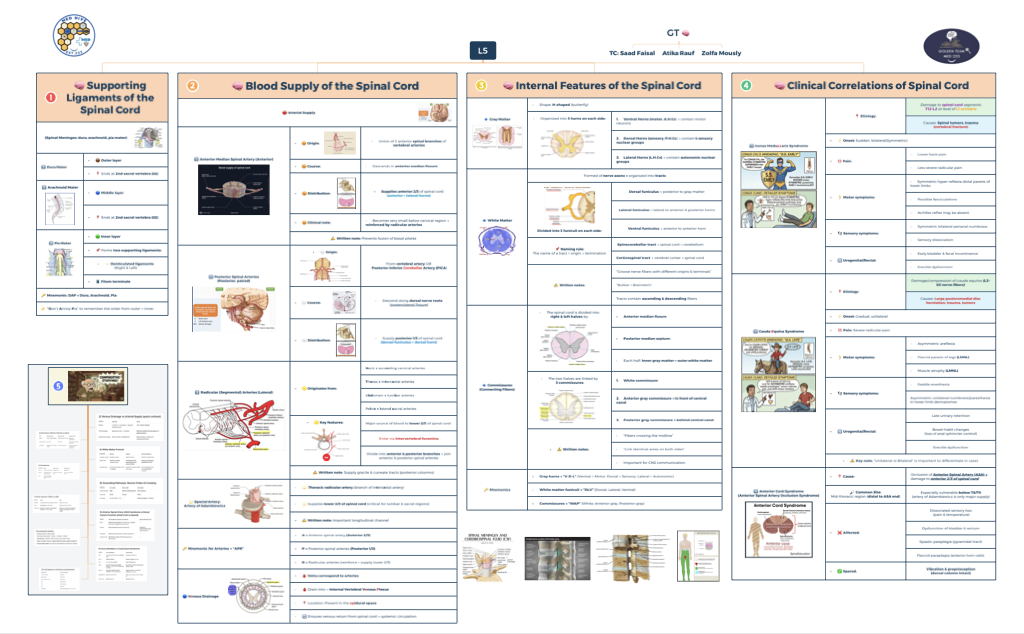
Map body systems, structures, and functions for easier learning with Xmind.
Anatomy diagram template options provide the structural foundation needed to visualize complex human organ systems, skeletal frameworks, and cellular biology. Medical students, healthcare teachers, and self-learners utilize these templates to break down intricate physiological data into digestible visual maps for clinical education and surgical planning. The library includes specialized diagrams for neurology and cardiology, ensuring that specific pathways like neural networks or cardiovascular valves are accurately represented. By using these templates, educators can create clear instructional materials while students can better memorize anatomical relationships through spatial organization. These resources facilitate biological research by offering a standardized way to document findings across various medical disciplines. Whether you are studying the musculoskeletal system or mapping out internal organ functions, these templates offer a professional starting point for any anatomical study or presentation.
Medical students can use the non-linear structure to map out complex neural pathways and circulatory systems without losing anatomical context.
Teachers can create interactive lesson plans by attaching high-resolution medical illustrations and research notes directly to specific anatomical nodes.
The visual-first structure allows users to collapse and expand different organ systems to focus on specific physiological details during study sessions.
AI Copilot assists researchers in generating detailed descriptions of biological functions or defining medical terminology within the diagram structure.
Export options allow for high-quality image or PDF generation to include diagrams in clinical reports or academic research papers.
Select a medical template Browse the library to find an anatomy diagram template that matches your specific focus, such as a skeletal structure or a neurological map.
Label anatomical structures Replace the placeholder text with specific names of organs, bones, or tissues to accurately reflect the biological system you are documenting.
Insert clinical images Attach high-resolution medical illustrations or histological slides to the relevant nodes to provide a visual reference for each anatomical part.
Map physiological relationships Use relationship lines to connect different organ systems and illustrate how they interact within the human body during biological processes.
Export for clinical use Save your completed anatomy diagram as a high-resolution file to be used in surgical planning documents or educational presentations.
Many community Anatomy Diagram templates are free for anyone to open and use immediately. Premium templates require a one-time purchase per file rather than a recurring subscription. After you acquire a template, you own the file permanently and can open or edit it offline within the Xmind app.
Turn your best mind maps into templates the whole community can use.